
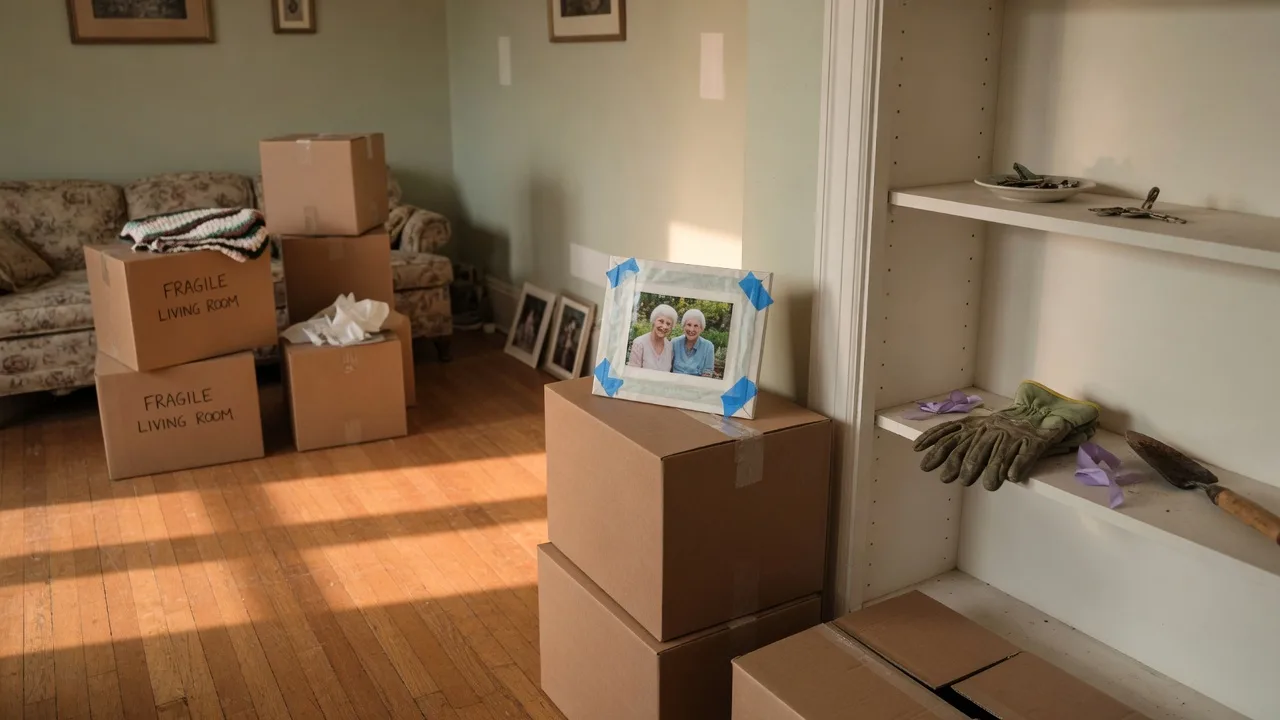
When you walk through the door of a home that belonged to someone you love, the air is thick with memory. The kitchen still smells like their coffee. The garden has the roses they planted. And everywhere you look, there are things. So many things. This is the hardest part of settling an estate, and I want to help you through it with practical steps and the compassion this moment deserves.
Start with grace for yourself
Before we talk about checklists and timelines, let me say this: go easy on yourself. You are grieving and making decisions about a house full of someone else's life. That is a lot. There is no rule that says you have to sort through everything in one weekend.
Give yourself permission to take breaks. To cry. To laugh at a memory you found in a photo album. To set aside items that feel too important to touch right now. The house will still be there tomorrow. You do not have to do this all at once.
Cleaning out and decluttering
Once you are ready to begin, start small. Do not walk into the biggest room first. Pick a closet, a drawer, a single shelf. Build momentum with small wins.
A practical sorting system
Create four categories and label boxes or use different areas of the room:
- Keep -- items you or family members want to hold onto
- Donate -- gently used items that could help others
- Sell -- valuable items for estate sale or consignment
- Discard -- broken, expired, or unusable items
Move through the house room by room. Do not jump around. Finishing one room gives you a sense of accomplishment and momentum for the next.
What to do with everyday items
Goodwill, Habitat for Humanity ReStore, and local charities welcome donations of furniture, clothing, kitchenware, and household goods. Many organizations offer free pickup for larger items. Ask the charities in your area about their pickup policies.
Handling sentimental items
This is where things get hard. The photo albums, the hand-written letters, the Christmas ornaments, the teacup collection, the fishing rods. These items carry stories and memories that no one else can see.
Here is what I have learned from watching families go through this:
- Let family members choose first. Ask siblings, children, and close relatives if there are specific items they would like. This takes the pressure off you to decide everything.
- Take photographs. Before you donate or discard sentimental items, photograph them. The memory lives in the photo, and you can keep a digital album of the things you let go.
- Keep a few meaningful pieces. You do not have to take everything, but keeping a handful of truly meaningful items honors the person's memory without turning your home into a museum.
- It is okay to let go. Your loved one's life was not in their things. It was in the people they loved and the memories you carry. Releasing their belongings does not dishonor them.
Working with estate sale companies
An estate sale company can be a lifesaver if the home is full of valuable furniture, antiques, collectibles, or just a lot of stuff. Here is what they do:
- Inventory and price every item in the home
- Set up and run a multi-day estate sale (often Thursday through Saturday)
- Handle all advertising, pricing, and negotiations with buyers
- Remove unsold items after the sale
- Typically keep 30% to 50% of the sale proceeds
Estate sale companies are especially helpful when the home is packed with decades of accumulated belongings. They turn a months-long sorting process into a few days of work. I have estate sale professionals in my network who treat clients' belongings with dignity and respect.
Minor repairs that make a difference
Not every inherited home needs a full renovation to sell well. In fact, I usually advise against major remodeling before listing. But there are a few repairs that consistently deliver a strong return:
- Fresh paint: Neutral, light colors make the home feel clean and fresh. Paint covers years of scuffs, nail holes, and wear.
- Fix leaky faucets and running toilets: Small plumbing issues signal neglect to buyers, even if they are minor.
- Replace burned-out light bulbs: A well-lit home shows better and photographs better.
- Clean or replace carpets: If the carpets are stained or worn, have them professionally cleaned or replaced with a neutral option.
- Address safety issues: Loose handrails, broken steps, and trip hazards must be fixed before showing the home.
- Spruce up the landscaping: Mow the lawn, trim overgrown bushes, and add a few fresh plants near the entry. Curb appeal matters enormously.
I recommend a pre-listing inspection so you know exactly what a buyer's inspector would flag. Then you can decide which repairs are worth doing and which to disclose.
Staging tips for inherited homes
Staging an inherited home is different from staging a typical listing. The goal is to help buyers see themselves living in the space, not the person who lived there before.
- Remove personal photographs and family items. Buyers need to imagine their own family in the home.
- Clear countertops and surfaces. A clean, uncluttered kitchen and bathroom read as larger and more modern.
- Open curtains and blinds. Natural light is one of the most powerful selling tools.
- Arrange furniture to show space. Too much furniture makes rooms feel smaller. Less is more.
- Depersonalize the home. If possible, remove religious items, political memorabilia, and strongly personal decor.
Some inherited homes sell best completely empty. Others benefit from partial staging. I can help you decide which approach works for your specific home and market.
Timeline planning
Here is a realistic timeline for preparing an inherited home for sale:
- Weeks 1-2: Secure the property, notify insurance, order death certificates, meet with probate attorney, walk through the home with me
- Weeks 2-4: Begin sorting belongings, schedule estate sale if needed, arrange for donations and junk removal
- Weeks 4-6: Complete cleaning, make minor repairs, paint if needed, address landscaping
- Weeks 6-8: Stage or empty the home, professional photography, list the property
Every situation is different, but this gives you a general sense of what to expect. Some homes take longer, especially if the house is full of belongings or needs significant repairs.
My network of trusted professionals
Over 23 years in real estate, I have built a network of professionals who treat inherited homes with the care they deserve. These are people I trust with my own clients and would trust in my own family's home:
- Estate sale companies who run clean, respectful sales
- Senior moving specialists who handle packing, sorting, and logistics
- Cleaners who specialize in deep-cleaning estate homes
- Contractors who do honest work at fair prices
- Probate attorneys who know the west side courts
- Tax advisors who understand inherited property tax questions
- Staging professionals who know how to present estate homes
You do not have to manage 15 different vendors. I can coordinate the whole process so you can focus on your family and your grief. That is my job. Let me do it for you.
Let me help you through this.
Preparing a loved one's home for sale is hard. I have the experience, empathy, and professional network to make it easier. Reach out for honest, compassionate guidance.